Front garden gardeners Notting Hill Gate and Westbourne Grove: a practical guide to stylish, low-fuss kerb appeal
If you live around Notting Hill Gate or Westbourne Grove, you already know the front garden has a bigger job than simply looking nice. It frames the whole property, greets visitors before you even open the door, and quietly shapes how the street feels. Good front garden gardeners in Notting Hill Gate and Westbourne Grove understand that balance: beauty, privacy, access, and maintenance, all in a compact London space. That is the real challenge, and also the fun part.
In this guide, we'll look at how front garden care works in this part of London, what makes these gardens different, and how to choose the right approach whether you want a neat refresh, a seasonal tidy-up, or a more complete redesign. You'll also find practical steps, common mistakes, and a checklist you can actually use. No fluff. Just the useful bits.
Why Front garden gardeners Notting Hill Gate and Westbourne Grove Matters
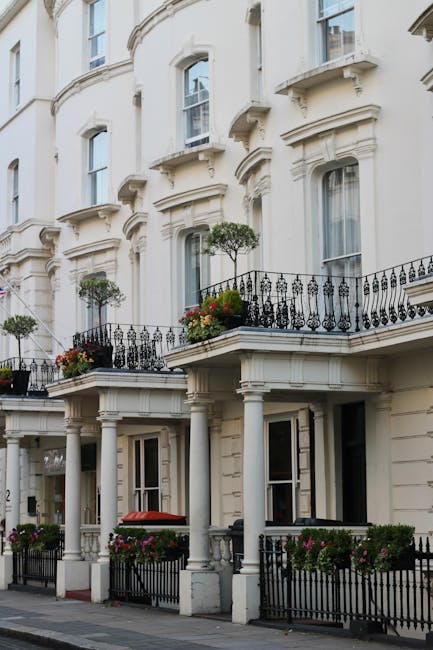
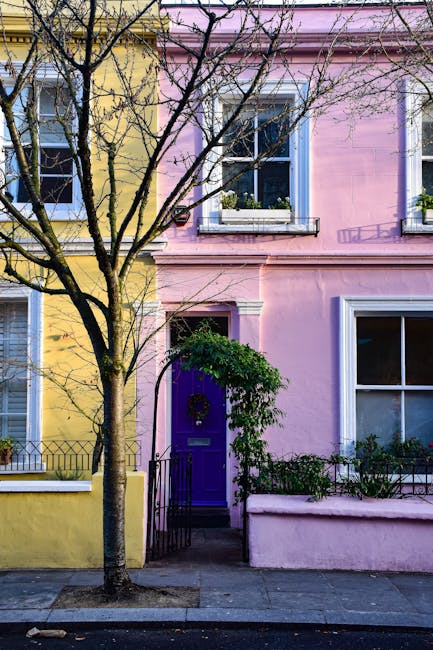
Front gardens in this part of West London are rarely oversized. They are often narrow, visible from the pavement, and expected to do a lot with very little room. That is exactly why front garden gardeners Notting Hill Gate and Westbourne Grove matter so much. A front garden here is not just decoration; it is part of the property's everyday presentation.
Walk down a terrace or mansion block street on a damp morning and you'll notice the difference straight away. One garden looks crisp, with clipped edges and clean paving. Another feels forgotten, with pot plants crowded together and a hedge leaning over the path. The contrast is immediate. A tidy front space can make a home feel cared for, even before anyone steps inside.
There are also practical reasons. Front gardens often need to manage foot traffic, bins, bikes, low fences, limited planting depth, and neighbour sightlines. In some homes they are the only green space visible from the road, so the design has to be resilient as well as attractive. In our experience, the best results come from keeping things elegant but realistic. A front garden that looks beautiful and is easy to maintain wins every time.
That is also why many homeowners choose broader help through garden services overview plans rather than treating the front garden as a one-off task. Regular care is usually simpler than major rescue work later on. Truth be told, front gardens can go from charming to shaggy very quickly.
Expert summary: in compact London front gardens, the best design is usually the one you can keep looking good month after month. A tidy structure, sensible planting, and manageable upkeep matter more than cramming in too many features.
How Front garden gardeners Notting Hill Gate and Westbourne Grove Works
Front garden work usually starts with understanding the space as it is, not as you wish it were. That sounds obvious, but it saves a lot of hassle. A good gardener will look at light levels, drainage, existing plants, soil condition, boundary lines, and how people actually move through the space. It's a small area, yes, but every inch counts.
From there, the work typically falls into a few practical stages:
- Assessment - identify what is healthy, what is overgrown, what needs removing, and what could be improved without starting from scratch.
- Clear-up - remove dead leaves, broken stems, litter, invasive growth, and clutter that blocks the shape of the garden.
- Structural tidying - trim hedges, shape shrubs, edge borders, and define paths or entrance lines.
- Planting or replanting - introduce shrubs, perennials, bulbs, or seasonal colour where appropriate.
- Surface and access checks - review paving, edging, planters, and any slippery or awkward spots.
- Ongoing maintenance - set a routine so the garden doesn't drift back into chaos by week three.
For some properties, the front garden is mainly green structure. For others, it is more of a decorative threshold with pots, topiary, or a small bed near the steps. Some homes also need linked work such as hedge trimming, lawn mowing, or broader garden maintenance. If there is heavy overgrowth, a proper garden clearance may be the best starting point before any design work begins.
The key thing is sequencing. You don't want to design around rubbish, and you don't want to prune before you know what shape the space should hold. Sounds basic, but people do it all the time.
Key Benefits and Practical Advantages
A well-kept front garden delivers more than a nice photo. It changes how the property feels day to day. You notice it when you unlock the door in the morning, when a parcel arrives, or when you come back in the evening and the entrance feels calm rather than cluttered.
- Better kerb appeal: the house looks more cared for, which matters whether you are selling, renting, or simply living there.
- Clearer access: tidy paths, pruned plants, and sensible layout make daily movement easier.
- Less maintenance stress: smaller, smarter planting choices are easier to keep under control.
- More privacy and structure: hedging and planting can soften views without feeling heavy.
- Seasonal interest: a front garden can still look good through winter, not just in June when everything is in bloom.
- Better use of small spaces: compact London gardens often benefit from layered planting and strong edging rather than lots of separate features.
There is also a subtle social benefit. Let's face it, front gardens are visible. They set a tone for neighbours, guests, and passers-by. That may sound a bit old-fashioned, but it is true. A neat front space often creates a feeling of order in the whole property.
If you want a more designed look, front garden work often connects naturally with landscape gardening or broader landscaping when you need paths, planting structure, edging, or a better entrance layout. For homes with timber features or seating near the frontage, decking services may also play a role, though only if the space genuinely suits it.
Who This Is For and When It Makes Sense
This kind of service is not only for people with neglected gardens. In fact, some of the most common requests come from homeowners who already have a decent front garden but want it sharpened up. A lot of the value is in refinement, not drama.
Front garden gardeners Notting Hill Gate and Westbourne Grove are a good fit if you:
- have a small or awkward front space that needs more structure
- want the entrance to look smart all year round
- need regular maintenance but don't have time to keep on top of it
- are preparing a home for sale or letting
- have hedges, shrubs, or borders that have grown too fast for comfort
- need help balancing planting with access, privacy, and neighbour lines
- prefer a practical approach instead of constant reworking
It also makes sense after building works, long holidays, or a period when the garden has simply been ignored. A front garden can look "fine" for months and then, one windy week later, feel slightly wild. Happens to the best of us. If you are already noticing overgrowth around the entrance, that is usually the right moment to act, not six weeks later.
And if you are unsure where to begin, a well-planned visit from a local team can help you decide whether you need light tidy work, seasonal pruning, or a more substantial refresh.
Step-by-Step Guidance
Here is a practical way to approach a front garden project without overcomplicating it.
- Walk the space slowly. Look at the garden from the street, from the doorway, and from inside the home. What do you see first? What feels cluttered?
- Separate essential structure from decorative extras. Keep what helps the garden function well. Remove items that only add noise.
- Sort out access. Make sure paths, steps, gates, and entrance points are easy to use before you think about new planting.
- Deal with the overgrowth. Trim hedges, reduce bulky shrubs if needed, and clear dead material. This often reveals the shape of the space instantly.
- Choose planting that suits the light. North-facing frontage, shaded entrances, and low-light corners need different plants from sunny bay windows.
- Use repetition. Repeating a few plant types usually looks calmer than mixing too many varieties.
- Keep edges crisp. Clean borders and clear lines are what make small gardens feel finished.
- Set a maintenance rhythm. Decide what needs attention weekly, monthly, and seasonally.
One useful trick: start with the view from the pavement. If the garden reads clearly from there, it often works from everywhere else too. If it looks messy from the street, the rest probably needs a rethink.
If the garden is full of debris, old pots, or collapsed planting, clearing that first can make the rest much easier. For heavier jobs, many homeowners combine front garden work with garden clearance so the design phase begins with a clean slate.
Expert Tips for Better Results
Here are the little decisions that make a front garden feel polished rather than merely tidy.
- Use fewer plant species, but use them well. Repetition creates calm. Too many different plants can make a narrow front space feel busy.
- Choose structure first. Evergreen shrubs, clipped forms, and defined borders hold the garden together in winter.
- Mind scale. A plant that looks lovely in a nursery may be far too bulky for a narrow London frontage.
- Leave breathing room. Plants need space to grow without blocking doors, windows, or paths.
- Think about sightlines. Front gardens work better when they guide the eye instead of blocking it completely.
- Protect the entrance. Keep mud splash, trip hazards, and crowded pots away from daily foot traffic.
- Plan for maintenance before you plant. If you hate pruning, choose lower-maintenance combinations from the start.
A small, thoughtful front garden is often more impressive than a busy one. That may sound slightly counterintuitive, but it's true. The eye loves clarity. Especially on a London street where there is already a lot going on.
If you are investing in regular upkeep, ask for honest guidance rather than a salesy "yes to everything" approach. A good gardener will tell you when a hedge needs reduction, when a bed needs rebuilding, and when a simple tidy will do.
Common Mistakes to Avoid
Front gardens are easy to overdo and surprisingly easy to neglect. Both can cause problems.
- Planting for the peak season only: a garden that looks fantastic in spring but sparse and tired in winter is not really finished.
- Ignoring access: pretty plants are not much help if they make the front step awkward.
- Using too many pots: one or two strong container groups can work well; ten random pots usually do not.
- Letting hedges get too large: once they start dominating the frontage, the whole garden feels smaller.
- Forgetting drainage: compact soils and poor runoff can make planting fail repeatedly.
- Matching the garden to a picture, not the property: a design should suit the building, the street, and the light.
- Skipping maintenance planning: front gardens are visible every day, so they need a realistic schedule.
One more, and this is a big one: don't assume "low maintenance" means "no maintenance". It never does. It just means the work is lighter, better spaced out, and less dramatic when you do it. That distinction saves a lot of disappointment.
Tools, Resources and Recommendations
For homeowners who like to stay involved, a few basic tools and habits make a real difference. You do not need a shed full of gear. You just need the right bits, kept in decent condition.
- Hand secateurs and loppers: useful for tidy pruning and deadheading.
- Lightweight rake or leaf collector: helpful for keeping paths and beds clean.
- Edging tool: small detail, big visual payoff.
- Watering can or hose with control nozzle: especially useful for new planting and dry spells.
- Mulch or compost: helps retain moisture and improve soil health over time.
- Plant labels or a simple note: surprisingly handy when you want to remember what was planted where.
When choosing a service provider, it helps to look beyond the headline offer. Check whether they can explain the difference between tidy-up work and longer-term improvement. Ask how they would maintain the space after the first visit. A team that thinks ahead is usually a safer bet.
You may also want to review practical company information such as pricing and quotes, insurance and safety, and the broader about us page if you want to understand the team behind the work. Those details matter more than people admit.
Law, Compliance, Standards and Best Practice
Front garden work is usually straightforward, but there are still sensible standards to follow. In London, the practical side matters: safe access, care around boundaries, respect for neighbours, and proper handling of green waste. If tree or hedge work is involved, especially near shared boundaries or protected features, it is worth checking the situation carefully before anything is cut back.
Where tree work is more substantial, a specialist approach is often needed. That is especially true if branches are large, awkwardly positioned, or close to buildings and overhead lines. In those cases, tree lopping and removal should be handled cautiously and by people who understand the risks. Better safe than sorry. A branch falling the wrong way is nobody's idea of a good afternoon.
Best practice also includes:
- working safely around hard surfaces and entry points
- protecting windows, railings, and neighbouring property
- disposing of waste responsibly
- using the right tools for the job, not forcing it
- documenting what was agreed before work begins
If a provider publishes clear operational policies, that can be reassuring. Pages such as health and safety policy, recycling and sustainability, payment and security, and terms and conditions signal that the business takes the practical side seriously. That doesn't guarantee perfection, of course, but it does show a degree of care.
Options, Methods and Comparison Table
Not every front garden needs the same kind of attention. Sometimes a simple tidy is enough. Sometimes you need a cleaner reset. And sometimes the space needs proper redesign work so it stops fighting you.
| Approach | Best for | Typical outcome | Trade-off |
|---|---|---|---|
| Basic tidy-up | Well-kept gardens needing a refresh | Cleaner edges, lighter pruning, neater presentation | Does not solve deeper layout or planting problems |
| Seasonal maintenance | Gardens that need regular attention through the year | Consistent structure, healthier plants, less decline | Requires ongoing visits or owner involvement |
| Clearance and reset | Overgrown or cluttered front spaces | Space becomes usable again, ready for reshaping | Can feel more disruptive before it improves |
| Redesign / landscaping | Gardens that need new layout, access, or planting structure | More purposeful, tailored frontage with better flow | Usually takes more planning and budget |
If you are not sure which route suits your home, ask for a conversation first. A good local assessment should help you choose between light maintenance and a more substantial intervention. No need to jump straight to the big expensive answer if a modest one will do.
Case Study or Real-World Example
Imagine a narrow front garden near Westbourne Grove: a small brick path, a hedge that has crept outward over two seasons, a couple of tired containers, and a bed that once held colour but now mostly holds leaf litter. Nothing disastrous. Just a bit tired. The sort of garden that makes you think, "I'll deal with that next weekend," until next weekend has quietly become next month.
A sensible approach would start with clearance and shaping. The hedge would be reduced to restore the entrance line. Dead material would be removed. The path edges would be cleaned and redefined. After that, the planting would be simplified rather than crowded: perhaps a stronger evergreen structure, a few seasonal plants for colour, and mulch to tidy the finish and reduce future weeds.
The result is not just prettier. It feels lighter to live with. The entrance reads clearly from the street. The space is easier to sweep. The whole front of the home feels more open, even though no square metres were added. That is the magic, really. Not magic-magic, obviously. Just good planning.
In many cases, that same logic applies whether the request is for a modest townhouse frontage or a more generous property close to Notting Hill Gate. The details change, but the principle stays the same: structure first, then planting, then maintenance.
Practical Checklist
Use this checklist before starting work or booking help for your front garden.
- Have you looked at the garden from the street and from the front door?
- Is access to the path, gate, and steps clear and safe?
- Do any hedges, shrubs, or trees need cutting back?
- Is there clutter, dead growth, or old material that should be cleared first?
- Do the plants suit the amount of light the space gets?
- Are the borders, edges, and containers doing a job, or just taking up room?
- Does the design make maintenance easier, not harder?
- Are you happy with privacy levels from the pavement?
- Do you need a one-off refresh or a longer maintenance plan?
- Have you checked provider details such as safety, insurance, and payment terms?
If you can tick most of those boxes, you are in a strong position to make a good decision. If not, that's fine too. It just means the garden needs a bit more attention before it settles into the right shape.
Get a free quote today and see how much you can save.
Conclusion
Front garden gardeners Notting Hill Gate and Westbourne Grove are about much more than cutting things back and making a space look tidy for a day. The best front gardens in this part of London are practical, balanced, and quietly confident. They work with the building, the street, and the way you actually live.
If you keep the structure simple, choose planting carefully, and plan maintenance with honesty, the result can feel genuinely uplifting. Not flashy. Just right. And in a busy London neighbourhood, that sort of calm is worth a lot.
Whether your front garden needs a small refresh, a seasonal maintenance plan, or a full rethink, the main thing is to start with clarity and keep the work realistic. That's usually where the best gardens begin.
Frequently Asked Questions
What do front garden gardeners in Notting Hill Gate and Westbourne Grove usually do?
They typically handle tidying, pruning, hedge trimming, planting, edging, clearing, and ongoing maintenance for small or medium front gardens. In some cases, they also help reshape the layout or prepare the space for a bigger redesign.
How often should a front garden be maintained?
It depends on the planting and the season, but many front gardens benefit from regular attention every few weeks rather than occasional heavy work. Fast-growing hedges or busy entrance areas may need more frequent checks.
Is a front garden worth improving if it is very small?
Yes, absolutely. Small front gardens often show the biggest improvement from good structure, cleaner edges, and smarter planting. In a compact space, a few good decisions can change the whole feel of the property.
What is the difference between garden clearance and garden maintenance?
Garden clearance is usually a one-off reset for overgrown, cluttered, or neglected spaces. Garden maintenance is the ongoing care that keeps the garden tidy and healthy after that initial work is done.
Can front garden work improve kerb appeal quickly?
Yes. Even basic work such as hedge trimming, clearing dead growth, and sharpening edges can make a home look much better very quickly. It is one of the fastest ways to improve first impressions.
Do front gardens in London need different planting choices?
Usually, yes. London front gardens often deal with shade, pollution, dry spots, and limited space, so planting needs to be robust and suited to the site. A plant that looks lovely in a bigger country garden may struggle here.
What should I ask before booking a gardener for my front garden?
Ask what is included, whether they offer one-off or regular maintenance, how they handle waste, and whether they have suitable safety and insurance arrangements. It is also sensible to ask how they would keep the space looking good over time.
Can hedge trimming and lawn mowing be part of front garden care?
Yes, very often. Many front gardens need a mix of hedge trimming and lawn mowing to stay neat and balanced, especially where the frontage includes both planting and open green areas.
How do I know if my front garden needs redesign rather than a tidy-up?
If the space feels awkward to use, badly proportioned, or hard to maintain no matter how often you tidy it, a redesign may be the better option. Tidy-ups improve appearance; redesigns improve how the space functions.
What makes a front garden easier to maintain long term?
Simple planting, clear borders, sensible access, and a small number of well-chosen features. If the design relies on constant pruning or lots of fiddly detail, it will probably become a chore.
Are there any safety issues to think about with front garden work?
Yes. Slippery paths, awkward steps, heavy branches, and tools near windows or neighbouring property all need care. That is why safety, insurance, and clear working methods matter as much as the gardening itself.
Where can I learn more about the company and its approach?
You can review the team's about us information and explore the services overview to see how different types of garden work fit together. If you want to understand practical details, the pages on pricing and quotes and recycling and sustainability are also useful.
How do I get started if my front garden feels overwhelming?
Start with a walk-through and a list of what is causing the most frustration. Then decide whether you need clearance, maintenance, or a deeper redesign. If you want help turning that into a plan, the next sensible step is to make an enquiry and talk it through properly.