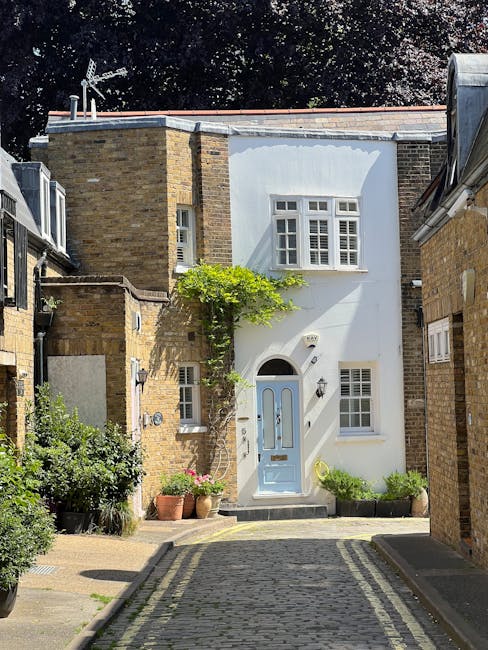
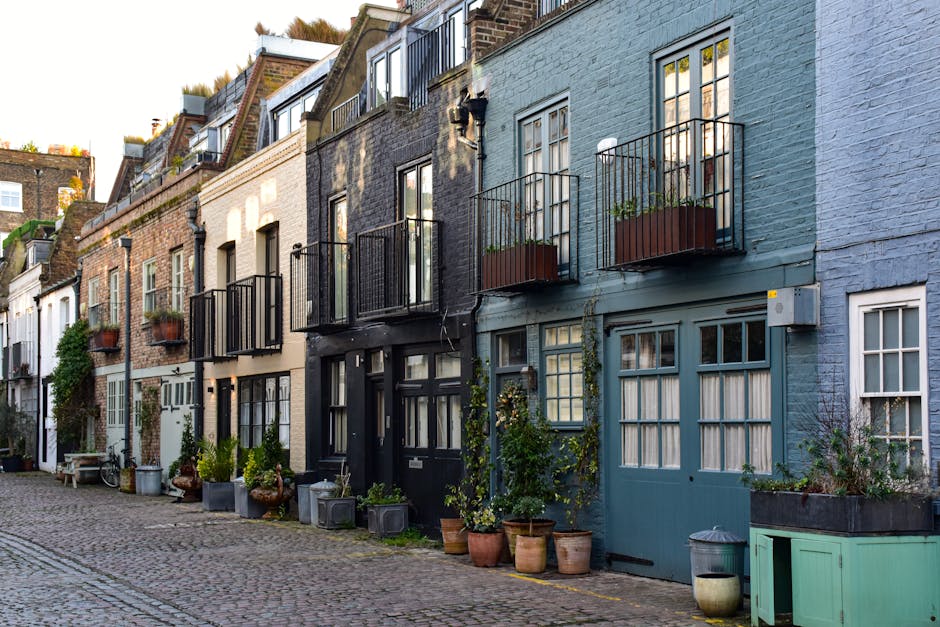
Ladbroke Grove gardening services for narrow mews gardens
Narrow mews gardens can be charming, but let's face it, they also come with awkward access, tight turning circles, limited light, and not much room for bulky tools or waste bags. If you are looking for Ladbroke Grove gardening services for narrow mews gardens, you probably need more than a routine tidy-up. You need a careful, practical approach that respects the shape of the space, the neighbouring properties, and the day-to-day reality of working in a compact London setting.
In a mews garden, every inch matters. A single overgrown shrub can make the whole space feel cramped. A poorly chosen planting scheme can eat the garden alive. And if maintenance is inconsistent, the garden can quickly drift from elegant to slightly neglected. This guide explains how narrow-space gardening works, what good service looks like, which tasks matter most, and how to avoid the common mistakes that waste time, money, and a surprising amount of patience.
Whether you are maintaining a small courtyard behind a converted stable, refreshing a modest planting strip, or trying to make a long thin garden feel calmer and more usable, the right plan makes all the difference. You do not need a huge space to create something lovely. You just need the right sequence, the right tools, and the right judgement.
For a broader look at the full range of outdoor support available locally, you may also want to review the services overview and the practical approach behind regular garden maintenance.
Table of Contents
- Why Ladbroke Grove gardening services for narrow mews gardens matters
- How the service works
- Key benefits and practical advantages
- Who this is for and when it makes sense
- Step-by-step guidance
- Expert tips for better results
- Common mistakes to avoid
- Tools, resources and recommendations
- Law, compliance, standards, and best practice
- Options, methods, and comparison table
- Case study or real-world example
- Practical checklist
- Conclusion
- Frequently asked questions
Why Ladbroke Grove gardening services for narrow mews gardens Matters
Narrow mews gardens are not simply "small gardens". They behave differently. The proportions are tight, the boundaries are close, and there is often very little forgiving space for overgrowth, heavy equipment, or trial-and-error maintenance. That is why a specialised approach matters. A gardener who understands compact urban plots will usually think in terms of access, airflow, light levels, drainage, and visual balance before they ever reach for the shears.
In Ladbroke Grove, many homes and mews properties sit within busy residential streets where privacy and neatness matter just as much as planting choice. A garden can be seen from several angles, sometimes by neighbours, sometimes from upper windows, and sometimes from the kitchen door every morning. If the layout feels cluttered, the whole home can feel a bit off. Strange how that happens, but it does.
Good gardening services for these spaces aim to do three things at once: make the garden easier to maintain, make it look better, and make it work harder for your lifestyle. That could mean opening a walkway, reducing a hedge that is stealing the light, refreshing tired soil, or creating a cleaner visual line so the garden feels wider. The best results are usually understated rather than dramatic.
There is also a practical side. Narrow mews gardens often need regular light-touch maintenance rather than infrequent heavy intervention. A month or two of growth can make access awkward, which then makes the next visit slower, which then makes the job feel more expensive. Small spaces reward consistency. They really do.
How Ladbroke Grove gardening services for narrow mews gardens Works
The process usually begins with a quick assessment of what the garden actually needs, not what it merely looks like it needs from the gate. In a tight London garden, appearances can be misleading. What seems like "just a trim" may hide compacted soil, root competition, poor drainage, or a planting scheme that no longer suits the light.
A thoughtful service normally starts by looking at:
- access points and width restrictions
- the condition of paths, beds, fences, and hard surfaces
- how much light the garden receives during the day
- what is causing the space to feel crowded
- the client's preferred level of upkeep
From there, work is usually broken into manageable stages. For example, a first visit may focus on clearing debris, reducing overgrown material, and restoring basic shape. Later visits can refine planting, manage turf or groundcover, and keep growth in check. This staged method is often better than trying to force a complete transformation in one afternoon. To be fair, in a mews garden that can be asking a lot.
Depending on the condition of the space, the service may include hedge trimming, lawn mowing, garden clearance, targeted pruning, planting refreshes, or more structural improvements through landscaping and landscape gardening. If you are dealing with tired borders or a garden that has simply got away from you, a clear-out first can make everything else easier.
There is one thing experienced gardeners tend to do well in narrow gardens: they think vertically and laterally at the same time. In plain English, that means making the most of height, wall space, and layered planting while keeping the floor space uncluttered. It sounds simple enough, but it is where many average jobs fall flat.
Key Benefits and Practical Advantages
The obvious benefit is a nicer-looking garden. But with narrow mews gardens, the deeper gains are often more useful than that. Here is what a good service can improve in real terms.
- Better use of space: trimming oversized plants and reshaping borders can make a narrow garden feel wider and easier to move through.
- Less day-to-day maintenance: a tidy structure means less time spent battling regrowth every weekend.
- Improved light and airflow: this matters in shaded mews settings where dampness can linger.
- Safer movement: clear paths and controlled planting reduce trips, snags, and awkward squeezing past obstacles.
- Cleaner first impression: compact spaces are highly visible, so neatness has an outsized effect.
- Healthier planting: pruning and spacing done properly can reduce competition and stress.
There is also a psychological benefit people sometimes overlook. A cramped garden can feel busy in a tiring way. When it is professionally organised, it can feel calmer almost immediately. You step outside, hear a bit of breeze through leaves instead of a tangle of stems, and suddenly the space feels usable again. Small win, but a meaningful one.
For many homeowners, the best part is not a dramatic redesign. It is the relief of knowing the garden is under control again. That is why consistent support, such as regular garden maintenance, often delivers more value than a one-off flourish.
Who This Is For and When It Makes Sense
This service makes sense for anyone with a compact outdoor space in or around Ladbroke Grove, especially where access is narrow or the layout is long and thin. It is particularly useful if you have one of the following situations:
- a mews garden that feels cluttered or hard to navigate
- shrubs or hedges that have outgrown the space
- a small lawn that needs careful, regular cutting
- planting beds that are overcrowded or underperforming
- a property used part-time, where the garden has been left to drift
- a rental or managed home where presentation matters
- outdoor areas that need a tidy, low-maintenance finish
It also suits people who do not want to spend their Saturdays wrestling with pruning waste, thorny trimmings, or a mower that barely fits between the walls. If that sounds familiar, you are not alone. Narrow gardens can be deceptively demanding, and the workload builds up quietly.
One common scenario is a household that only notices the issue when the season changes. In spring, everything starts to surge. By early summer, the garden that once felt elegant now feels tight and enclosed. In autumn, dropped leaves and softer growth can make the whole space seem a bit untidy. This is exactly where professional help earns its keep.
Step-by-Step Guidance
If you are planning work on a narrow mews garden, it helps to think in stages. That way, the job stays manageable and the results are easier to preserve.
- Assess the space honestly. Look at access, light, drainage, and where the garden feels blocked. Do not just focus on the obvious overgrowth.
- Decide what the garden should do. Is it for sitting, planting, storage, pets, or simply looking neat from the house? One garden cannot do everything well.
- Clear the clutter first. Remove dead material, broken pots, unwanted growth, and old debris before attempting any refinement.
- Reduce problem plants. Tackle anything that is dominating the space, especially hedges or shrubs that have pushed too far into walkways.
- Improve the structure. Define edges, reset lines, and make the layout readable. A narrow garden needs visual order.
- Refresh the planting. Choose plants that suit the light and the width of the bed, not just the mood board.
- Set a maintenance rhythm. Agree how often the garden needs attention so the work does not unravel again.
This is where a lot of people get tripped up. They jump straight to planting new things, which is understandable, but if the foundation is still messy the new planting just gets swallowed. It is a bit like buying fresh paint before you have stopped the leak.
If the garden needs heavier intervention first, you may want to look at garden clearance before moving into refinement. Once the space is reset, the finer work has a chance to look intentional rather than squeezed in.
Expert Tips for Better Results
In narrow mews gardens, small decisions have a big visual impact. A few practical habits usually lead to much better results.
- Use repetition carefully. Repeating a few plant shapes or materials can make a narrow garden feel calmer, not busier.
- Keep a clear line of movement. A route through the space should feel obvious, even when the garden is full.
- Choose lighter, more open forms. Dense planting can work, but it should not block the whole view.
- Prune for shape, not just size. Good trimming keeps plants balanced rather than flattened.
- Match the maintenance level to your real life. If you are rarely home, a high-input garden will quickly become annoying.
- Think about what you see from inside. In a mews property, the view from the kitchen or sitting room often matters most.
One small but useful tip: stand at the doorway and look out before and after any work. That viewpoint tells you a lot about whether the garden feels open or pinched. It is a simple trick, but it works.
If you have hedges, climbing plants, or layered screening, keep an eye on the edges. A slightly untidy line can make an otherwise lovely garden feel messy. For sharper results, hedge trimming is often one of the highest-value tasks in tight spaces.
Common Mistakes to Avoid
Narrow garden work is easy to get wrong in quiet ways. Not disastrous, just frustrating. And because the spaces are small, mistakes show quickly.
- Overplanting: too many plants make the garden feel crowded from day one.
- Using oversized features: a large planter or heavy feature can dominate the whole space.
- Ignoring access: if a gardener cannot get equipment in cleanly, the job becomes slower and rougher.
- Letting hedges run too long: by the time they look obviously messy, they may already be stealing valuable light and width.
- Choosing plants for appearance only: some plants simply are not happy in shade, tight beds, or windy passageways.
- Skipping waste removal planning: in a mews garden, cuttings and debris can pile up fast and block movement.
Another easy trap is trying to make the garden feel bigger by removing everything. That can leave a narrow plot looking bare rather than refined. You usually want edited, not emptied. Subtle difference, but an important one.
And yes, tools matter too. A standard mower or pruning setup may be fine in a larger suburban garden, but in a compact mews layout it can be clumsy. That is why tailored methods and smaller, more precise tools often produce cleaner results.
Tools, Resources and Recommendations
You do not need a van full of specialist kit to maintain a narrow mews garden, but you do need the right kind of equipment. The emphasis should be on control, precision, and manoeuvrability.
| Task | Useful approach | Why it suits a narrow mews garden |
|---|---|---|
| Edging and shaping | Hand tools or compact trimmers | They give cleaner lines where machines would feel awkward |
| Lawn care | Light, precise mowing | Better for tight access and small grass areas |
| Overgrowth control | Selective pruning and hedge work | Helps restore width without stripping the garden bare |
| Clearance | Bagging and staged removal | Prevents clutter from building up in a confined space |
| Redesign | Simple, layered planting plans | Works better than oversized schemes in narrow plots |
For people who like to stay on top of things between visits, the most practical mix is usually a light weekly tidy, a scheduled cut or trim as needed, and a more substantial seasonal check-in. That rhythm keeps the garden from slipping into a "do we need to start again?" situation, which nobody wants.
Depending on what the space needs, you may also benefit from lawn mowing for compact grass areas, or tree lopping and removal where larger plants are reducing light or causing structural pressure. Not every garden needs those services, of course, but when they do, they can change the whole feel of the plot.
Law, Compliance, Standards, or Best Practice
For most household gardening jobs, the main concern is not legal complexity so much as responsible practice. In the UK, a good gardening service should work carefully around neighbouring properties, avoid causing damage, manage waste properly, and take sensible precautions for ladders, tools, and access routes.
In tight residential mews settings, best practice usually includes:
- protecting paths, walls, and shared surfaces during work
- checking for limited access before bringing in equipment
- handling green waste safely and removing it in an orderly way
- being cautious around trees, high hedges, and boundary growth
- using safe working methods when cutting near windows, railings, or parked vehicles
Insurance and safety matter too. Any professional working in a confined space should be able to operate in a way that reduces risk to property and people. If you are comparing providers, it is sensible to ask about their approach to safety, handling of tools, and waste removal. You do not need a lecture. Just straightforward reassurance.
It is also wise to check how a company handles customer expectations, pricing, and privacy. Pages such as insurance and safety, payment and security, and terms and conditions are worth reading before you book. That sort of transparency tends to be a good sign.
Options, Methods, and Comparison Table
There is more than one way to handle a narrow mews garden. The right choice depends on how much the space needs, how often it is used, and whether you want a tidy finish or a more substantial change.
| Approach | Best for | Pros | Trade-offs |
|---|---|---|---|
| Light maintenance | Gardens already in decent shape | Quick, affordable, easy to keep consistent | Won't fix deeper issues like poor layout or overgrown structure |
| Clear-and-reset | Gardens that have got out of hand | Creates a fresh starting point and clears space | Can feel more disruptive at first |
| Selective improvement | Gardens with good bones but weak details | Targets the most visible problems efficiently | Requires a good eye to avoid patchy results |
| Full redesign | Gardens that no longer work at all | Best chance to solve access, planting, and layout together | More time, more planning, more disruption |
For many Ladbroke Grove homes, selective improvement is the sweet spot. It keeps what works, removes what does not, and avoids unnecessary upheaval. That said, if the garden is genuinely struggling, a redesign may be the more honest answer. Sometimes that is just how it is.
Choosing the right route is where a practical service earns trust. The garden should suit you, not the other way around.
Case Study or Real-World Example
Imagine a typical narrow mews garden: a long, slim strip behind a property, with a small seating area near the house, a hedge along one boundary, and a couple of shrubs that have quietly taken over the middle section. The space is not unusable, but it feels tighter every month. The path is slightly hidden, the planting is uneven, and the light is worse than it should be.
A sensible first visit would not try to reinvent everything. The gardener would clear debris, cut back the overgrowth, open the walkway, and reduce the hedge to a more manageable line. Then the eye can actually read the space again. Once that happens, the next phase might involve reshaping the borders, choosing slimmer planting, and maybe simplifying the seating area so it feels intentional.
After that, the garden is much easier to maintain. The path is clear. The room feels longer. The seating spot is visible. The hedge no longer presses in. Nothing fancy, just better. And honestly, that often makes the biggest difference in a mews setting.
This kind of project is also a good reminder that local gardening work is not always about "more". Sometimes it is about less clutter, less crowding, and less friction every time you step outside.
Practical Checklist
Before booking or starting work, run through this quick checklist. It helps you avoid the usual headaches.
- Is the garden narrow enough that access or turning space matters?
- Do you want a simple tidy, a reset, or a more noticeable change?
- Are there hedges, shrubs, or trees blocking light or movement?
- Does the garden need clearance before maintenance can begin?
- Is the planting suited to shade, wind, and limited space?
- Do you need regular upkeep rather than a one-off visit?
- Are waste removal and site tidiness important in your setting?
- Would a structural improvement or layout change help the space work better?
- Have you checked the provider's approach to safety and insurance?
- Do you know what result you want from inside the house as well as outside?
If you can answer most of those clearly, you are already ahead of the game. If not, that is fine too. A good conversation at the start can clarify a lot very quickly.
Conclusion
Ladbroke Grove gardening services for narrow mews gardens are at their best when they combine neat presentation, practical problem-solving, and a proper understanding of how compact spaces behave. The real aim is not just to make the garden look better for a day. It is to make it easier to live with, easier to maintain, and more enjoyable every time you look out of the window or step outside with a coffee in hand.
Whether your garden needs a simple maintenance plan, a sharper hedge line, a full clearance, or a smarter layout, the right approach can transform a tight space without overcomplicating it. Keep the structure clear. Keep the planting appropriate. Keep the maintenance realistic. That's the heart of it, really.
If you are ready to take the next step, explore the wider range of support available through about us, review pricing and quotes, and use the contact us page when you want to talk through the space in more detail.
Get a free quote today and see how much you can save.
Sometimes the smallest garden just needs a steadier hand, a clearer plan, and a bit of breathing room. That can change everything.
Frequently Asked Questions
What makes a mews garden different from a standard garden?
A mews garden is usually narrower, more enclosed, and more sensitive to access issues than a typical garden. That means every design and maintenance choice has a bigger visual and practical impact. Overgrowth shows quickly, and bulky equipment can be awkward.
How often should a narrow mews garden be maintained?
That depends on planting density, shade, and how much use the garden gets. Many narrow gardens benefit from regular light maintenance rather than occasional heavy work, because small spaces can become untidy fast. A consistent rhythm usually works best.
Can a narrow garden still feel spacious?
Yes, absolutely. The trick is to keep lines clear, avoid overcrowding, and use planting that does not block movement or sightlines. Even a modest garden can feel calmer and wider when it is well structured.
Do narrow mews gardens need special tools?
Often, yes. Compact spaces usually respond better to smaller, more precise tools and careful manual finishing. The point is control, not brute force. That tends to produce cleaner edges and less damage.
What services are most useful for these gardens?
Commonly useful services include garden maintenance, hedge trimming, lawn mowing, garden clearance, and, where needed, landscaping or landscape gardening. The right mix depends on the condition of the garden and what you want it to do.
Is garden clearance necessary before maintenance?
If the garden is cluttered, overgrown, or full of dead material, then yes, clearance is often the sensible first step. It makes later maintenance quicker and more accurate. Trying to maintain a neglected space before clearing it can be frustrating.
How do I know if my hedge is too large for a narrow garden?
If the hedge is reducing light, narrowing the usable area, or making the garden feel boxed in, it is probably too large for the space. A careful trim may be enough, but sometimes more substantial reduction is needed.
Can a small garden have landscaping work done without looking overdone?
Definitely. In narrow gardens, landscaping should usually be subtle and purposeful rather than oversized. The best improvements often focus on layout, edges, materials, and proportion instead of adding lots of features.
What should I ask before booking a gardening service?
Ask about access, likely time needed, waste removal, safety measures, and how the work will be staged. It is also sensible to ask what outcome they recommend for your specific space, not just what services they offer.
Is regular maintenance better than a one-off tidy?
For most narrow mews gardens, yes. A one-off tidy can help, but regular maintenance keeps the space from becoming cramped and unmanageable again. It is usually easier, cheaper in the long run, and less disruptive.
What if my garden gets very little light?
Low-light gardens can still look good, but plant choice becomes more important. Shade-tolerant planting, careful pruning, and a less crowded layout can make a big difference. Sometimes the issue is not the lack of light itself, but too much bulk stealing what little light there is.
How do I choose between maintenance and a full redesign?
If the garden mostly works but needs refinement, maintenance or selective improvement is usually enough. If the layout feels fundamentally wrong, access is poor, or the space never feels usable, a redesign may be worth considering. The honest answer depends on the garden's bones.
What is the best first step if my narrow garden feels out of control?
Start with a clear assessment of what is causing the problem: clutter, overgrowth, poor planting, or a layout that no longer works. From there, a clearance or reset is often the most practical starting point. Once the space is readable again, everything else gets easier.