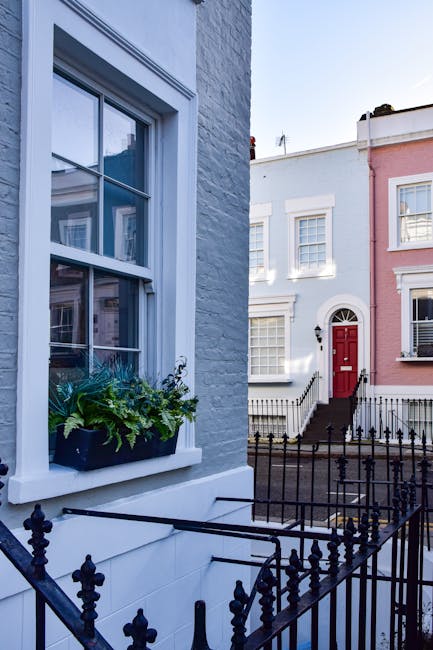
Portobello Road garden maintenance experts Notting Hill
If you live near Portobello Road, you already know the charm of the area comes with a few practical gardening realities. Narrow access, busy pavements, shade from taller buildings, and the kind of patchy weather that can leave a border looking tired by Thursday. That is exactly why people look for Portobello Road garden maintenance experts Notting Hill rather than trying to juggle everything themselves.
A well-kept garden in this part of West London is not just about appearance. It is about making the most of limited space, protecting plants from stress, and keeping outdoor areas tidy, safe, and usable all year round. In this guide, you will find a clear explanation of how professional garden maintenance works, what to expect, when it makes sense, and the best ways to get lasting results without wasting money on the wrong jobs.
One thing people often underestimate: gardens in busy neighbourhoods need consistency more than dramatic one-off fixes. A few minutes missed here and there becomes a bigger job fast. Truth be told, that is where good maintenance earns its keep.
Why Portobello Road garden maintenance experts Notting Hill Matters
Gardens around Portobello Road and wider Notting Hill often have a different set of pressures than suburban plots. Space is tight, storage is limited, and many properties have small front gardens, courtyard spaces, rooftop planters, or shared outdoor areas that need careful handling. The right maintenance approach respects the layout instead of fighting it.
That matters because neglected gardens in dense areas tend to show problems quickly. Weeds spread between paving joints. Hedges grow across paths. Lawns thin out under shade. Pots dry out when the wind picks up, then get waterlogged a week later. Not exactly glamorous, but very real.
Professional maintenance is useful here because it brings regularity, plant knowledge, and a practical eye for detail. A good local team does not just cut things back. They notice drainage issues, compaction, overgrowth, awkward access, pest stress, and seasonal timing. They also understand that a garden should suit how you actually live, not how a magazine cover looks on a sunny day in June.
For many homeowners, landlords, and busy residents, maintenance is as much about confidence as it is about appearance. You want to know the garden will still look decent after a wet spell or a warm run of weather. You want the front of the property to feel cared for. You want the space to be usable without a weekend disappearing into endless tidying. Fair enough, really.
If you are comparing service levels, it helps to look at the wider set of options too. Some people need ongoing garden maintenance, while others need one-off help with overgrowth, clearance, or a broader refresh. The most relevant route may involve the full services overview, especially if the garden needs more than simple mowing and pruning.
How Portobello Road garden maintenance experts Notting Hill Works
Garden maintenance usually starts with a quick assessment. The aim is to understand what the space needs now, what it will need in the next season, and what could turn into a problem if ignored. In smaller London gardens, that assessment matters a lot because one poor cut or badly timed tidy-up can affect the whole layout.
A sensible maintenance visit often includes some combination of mowing, edging, weeding, pruning, hedge trimming, deadheading, leaf clearance, and basic plant health checks. For more specialised work, a team may also suggest hedge trimming, lawn mowing, or even support from tree lopping and removal when branches are creating shade, obstruction, or risk.
In practice, the work tends to follow a simple rhythm:
- Inspect the garden. Look at growth levels, plant condition, access, and problem areas.
- Prioritise safety and access. Clear paths, check for trip hazards, and plan the work order.
- Complete the main maintenance tasks. Trim, cut, tidy, weed, and reshape where needed.
- Manage waste properly. Green waste should be removed, sorted, or recycled where possible.
- Review the result. A good finish is about balance, not just a neat cut.
Some gardens need a light touch every couple of weeks. Others need deeper seasonal work, especially after winter or a growth burst in late spring. The best approach is usually not the fanciest one, just the one that keeps the space under control without shocking the plants or overworking the soil.
If you are unsure where your garden sits on that scale, a proper consultation is worth it. It can be the difference between a tidy space and a constant cycle of emergency fixes. And nobody wants to be that person clearing a hedge at 8pm because it has swallowed the path. Been there, seen that.
Key Benefits and Practical Advantages
The benefits of regular maintenance are easy to say and sometimes easy to miss. The obvious one is visual: the garden looks cared for. But the more useful benefits are practical, and they add up quietly over time.
1. A cleaner, safer outdoor space. Loose branches, slippery leaves, tangled growth, and hidden debris are all easier to manage when the garden is checked regularly.
2. Better plant health. Pruning at the right time, watering sensibly, and removing dead growth can reduce stress and help plants recover faster.
3. More usable space. In a compact Notting Hill garden, every square metre counts. Maintenance helps paths, seating areas, and borders stay functional.
4. Less expensive recovery work later. A garden that is looked after little and often is usually cheaper to restore than one left to run wild for months.
5. Better first impressions. If you rent out a property, host guests, or simply care about how your home feels from the street, tidy outdoor areas make a quiet but real difference.
There is also a less obvious benefit: peace of mind. You stop noticing the one annoying weed every time you open the back door. The lawn does not nag at you. The hedge stops looking like it is trying to escape. That sounds small until you live with it every day.
For properties that need a broader uplift, maintenance can work alongside more transformative services such as landscaping or landscape gardening. The maintenance keeps the result looking good once the heavy lifting is done.
Expert summary: In compact London gardens, the best maintenance is usually the kind that prevents problems before they become visible. Small, regular, well-timed work almost always beats dramatic catch-up work.
Who This Is For and When It Makes Sense
Not every garden needs the same level of care. Some people genuinely enjoy the routine and have the time to handle it. Others do not, and that is completely fine. Garden maintenance makes sense when the time, tools, or confidence are not there, or when the space itself has become too difficult to manage alone.
It is especially relevant for:
- homeowners with limited time
- landlords preparing a property for viewings or tenants
- busy professionals who want the garden to stay presentable
- older residents who do not want to manage heavy or repetitive work
- small businesses with frontage, planters, or courtyard planting
- people recovering a neglected garden after a long gap in care
It also makes sense if the layout is awkward. Steep steps, narrow side access, shared entrances, tall boundary planting, and shaded pockets can turn simple jobs into fiddly ones. That is where local experience matters. A team used to working in Notting Hill understands how to move materials carefully, avoid disturbance, and keep the job tidy from start to finish.
Sometimes the trigger is seasonal rather than urgent. Spring growth can get away from you quickly. Autumn leaf fall can clog drains and soften paths. Winter wind can expose weak branches. Summer heat can stress lawns and containers. The timing of help matters more than people think, honestly.
If your garden is overdue a reset, a one-off clearance may be the smarter first step before moving into regular care. In that case, it is worth looking at garden clearance as part of the broader plan rather than forcing a maintenance routine onto an overgrown space that needs a proper clean start.
Step-by-Step Guidance
If you want to work effectively with Portobello Road garden maintenance experts Notting Hill, the process becomes much easier when you know what a good job looks like. Here is a practical way to approach it.
1. Walk the garden with fresh eyes
Start by noticing what feels off. Is the lawn patchy? Are the borders messy? Is one hedge blocking light? Are pots drying out too fast near the wall? Small observations are useful because they shape the maintenance plan.
2. Decide what must be done now
Some tasks are urgent, like clearing a path or cutting back growth that blocks access. Others can wait, such as reshaping a border or restoring a tired lawn. A good maintenance plan separates the essential from the nice-to-have.
3. Match the work to the season
Spring is often about growth control and preparation. Summer needs watering discipline and tidy-up work. Autumn is about leaf management and reducing clutter. Winter is usually a lighter, more protective phase, though some pruning and safety work may still be needed.
4. Keep the plant's health in mind
Over-pruning can leave shrubs looking bare and stressed. Under-pruning lets the garden become heavy and crowded. The right cut depends on the plant, the time of year, and what the space is trying to do.
5. Think about waste and disposal early
A surprising amount of garden frustration comes from not planning what happens to the cuttings. Waste piles up fast. It helps to know whether the team will remove everything, separate green waste, or leave compostable material in a suitable place.
6. Review the finish
A proper finish should feel calm, tidy, and balanced. You should be able to look across the space and see structure again. Not perfection. Just clarity.
If the job involves larger quantities of debris or long-neglected corners, a maintenance visit may need support from garden clearance first. That is not a failure. It is just the honest sequence of work.
Expert Tips for Better Results
Small decisions make a big difference in gardens like these. Here are the habits that tend to produce the best long-term result.
- Work little and often. Regular light maintenance is easier on the garden and easier on you.
- Do not cut everything at once. If a shrub has run away a bit, reduce it carefully rather than scalping it.
- Watch drainage and damp. In shaded Notting Hill gardens, moss and mildew can creep in quietly.
- Protect structure. Edges, pots, trellises, and paths matter as much as the planting.
- Prune with a purpose. Every cut should improve shape, health, light, or access.
- Keep soil covered where possible. Mulch and ground cover can help reduce weeds and moisture loss.
One practical tip people often appreciate: take photos of your garden after a really good maintenance visit. Then, when growth starts getting messy again, you have a visual reference for the shape you want to preserve. Simple, but oddly effective.
Also, if you are using a service regularly, be clear about what "tidy" means to you. For one person that means crisp edges and clipped hedges. For another it means a softer, more natural look with just enough structure. Those are not the same thing, and it is better to say so upfront than to sort it out after the event.
Common Mistakes to Avoid
Even well-intentioned garden care can go sideways. A few common mistakes show up again and again.
Trying to fix everything in one go. It feels productive, but it can stress plants and leave the space looking harsh. Gardens usually improve more with steady attention than with one heroic weekend.
Ignoring access and storage. In smaller urban gardens, where tools and waste sit matters. If it blocks the only path, you have created a new problem while solving the old one.
Cutting hedges at the wrong time. Timing matters. Some plants tolerate trimming better at certain points in the year, and poor timing can lead to weak regrowth or a flat, uneven shape.
Leaving leaf litter too long. A few leaves are fine. A thick mat on paving or soil can become slippery, wet, and frankly a bit miserable.
Assuming all greenery behaves the same. It does not. Shrubs, climbers, lawns, and trees all have different needs. That sounds obvious, but in real life people often treat a garden like one job instead of many.
Choosing maintenance only by price. Cheapest is not always most cost-effective. If work is rushed or the team does not understand the garden, you can end up paying again to repair mistakes.
When in doubt, ask what is included, what is excluded, and how the team handles follow-up issues. That one conversation can save a headache later. Maybe even two.
Tools, Resources and Recommendations
You do not need a shed full of specialist kit to keep a small London garden in decent shape, but the right tools help a lot. The basics are usually enough for routine work.
- Sharp secateurs for clean cuts on smaller stems
- Hand shears for shaping and finishing hedges
- Reliable mower if the lawn is part of the space
- Spade and hand fork for borders and planting
- Rake and leaf grabber for seasonal clear-ups
- Gloves and eye protection for safer work
- Wheelbarrow or sturdy tubs for moving waste in small spaces
For many households, the better choice is not to buy more tools but to choose a service structure that fits the garden. If the lawn is your biggest issue, start with lawn mowing. If the boundary planting keeps swallowing the space, hedge work may matter more. If the whole plot feels tired and uneven, a broader maintenance plan is the smarter move, ideally supported by garden maintenance.
There are also some practical things that make a service easier to deliver. Clear side access if possible. Move fragile pots. Let the team know about hidden steps, loose paving, or water outlets. And if you have a precious plant that needs special attention, say so early. It sounds obvious, but a lot of avoidable frustration starts with assumptions.
Law, Compliance, Standards, or Best Practice
Garden maintenance is not usually a heavily regulated topic for the customer in the way some trades are, but there are still important standards and good-practice expectations to bear in mind.
Safety first. Any work involving ladders, powered tools, heavy waste, or tree work should be carried out carefully and by people who understand safe working methods. If a provider discusses insurance, risk awareness, or safe access, that is a positive sign. You may want to review their insurance and safety information and their health and safety policy before booking work with higher risk.
Waste handling matters. Green waste should be dealt with responsibly, and many customers now prefer some form of recycling or reuse where possible. It is sensible to ask how cuttings and debris will be handled. If sustainability matters to you, see whether the provider explains its approach to recycling and sustainability.
Be careful with trees. Anything involving larger branches, unstable growth, or tree removal should be treated with extra caution. That is not a DIY mood Sunday task, however tempting. For those cases, professional tree services are the safer choice.
Read service terms. Before agreeing to recurring work, it helps to understand payment timing, cancellation conditions, scope of work, and what happens if weather affects the visit. Clear terms avoid awkwardness later. If you like to check those details in advance, the terms and conditions are worth reviewing.
And yes, one more quietly important point: reliable businesses make the process clear. They explain what is included, how to pay, how to contact them, and what happens if you need to change the booking. That kind of clarity is part of professionalism, even if it is not the exciting bit.
Options, Methods, or Comparison Table
Choosing the right kind of garden care depends on the condition of the space. Here is a simple comparison that may help.
| Option | Best for | What it includes | When to choose it |
|---|---|---|---|
| Light regular maintenance | Gardens already in decent shape | Mowing, edging, weeding, pruning, general tidy-up | When you want the space to stay presentable with low drama |
| Seasonal maintenance | Gardens that change a lot through the year | Leaf clearance, growth control, boundary shaping, plant refresh | When spring and autumn are the main pressure points |
| One-off restoration | Overgrown or neglected gardens | Clearance, hard cutback, waste removal, reset of structure | When the garden needs a proper restart before routine care |
| Combined maintenance and landscaping | Spaces that need both care and improvement | Maintenance plus structural changes, planting, or layout changes | When the garden works, but not as well as it could |
Sometimes the right answer is a combination. A neglected courtyard may need clearance first, then regular maintenance after. A front garden might benefit from neat planting and edging, while a back garden needs better flow, hardwearing surfaces, or a better layout. If the space feels awkward, a broader conversation about landscape gardening or decking services can help you decide whether maintenance alone is enough.
Case Study or Real-World Example
Here is a realistic example from the sort of job many people in Notting Hill face. A small rear garden had good bones, but it had slipped into that familiar state where everything looked a bit tired at once. The hedge had grown soft at the edges, the lawn had patches where shade dominated, and the borders had more weeds than intention.
The first visit focused on clearing the worst of the clutter, reducing the hedge carefully, and cutting back overcrowded growth near the fence. That gave the garden breathing room. The second stage was more subtle: tidying the lawn edges, checking which plants could be saved, and making the borders look deliberate again rather than accidental.
Nothing dramatic happened. No grand redesign. No expensive flourish. But the space changed from something the owner avoided to somewhere they could actually sit with a cup of tea on a quiet evening. That is often the real win. Not the before-and-after photo. The everyday use.
The lesson is simple: a garden does not always need more stuff. Sometimes it needs balance, consistency, and a bit of patience. Plus a decent tidy-up, obviously.
Practical Checklist
Use this quick checklist before booking or arranging maintenance:
- Identify the main problem areas in the garden
- Decide whether you need one-off work or recurring care
- Check if any hedges, trees, or overgrowth need specialist attention
- Think about access for tools, waste, and safe movement
- Note any fragile plants, hidden steps, or uneven paving
- Confirm whether green waste will be removed or recycled
- Review service scope so expectations are clear
- Ask how often follow-up maintenance should happen
- Consider whether the space needs clearance before maintenance
- Keep a note of the look and level of tidiness you want to maintain
This kind of checklist sounds basic, but it prevents a lot of guesswork. And guesswork is usually where garden jobs become expensive or annoying.
Conclusion
Portobello Road garden maintenance experts in Notting Hill are valuable because they bring order, timing, and local practicality to spaces that are often compact, busy, and a little temperamental. That combination matters. A garden does not need to be large to need skill. In many ways, smaller gardens need more judgement, not less.
Whether you need regular care, a seasonal tidy-up, or help recovering an overgrown plot, the right approach is the one that keeps the space healthy and easy to enjoy. Start with the condition of the garden, think about how you actually use it, and choose work that supports both the plants and your day-to-day life. It does not have to be complicated. Just thoughtful.
If you are planning your next step, it may help to learn more about the company behind the service through the about us page, or get in touch through the contact us page when you are ready to talk through the garden in detail.
Get a free quote today and see how much you can save.
And if there is one thing worth remembering, it is this: a well-kept garden makes daily life feel a little lighter. Sometimes that is enough on its own.
Frequently Asked Questions
What do Portobello Road garden maintenance experts in Notting Hill usually do?
They usually handle routine garden care such as mowing, pruning, hedge trimming, weeding, edging, leaf clearance, and general tidy-ups. In some cases, they may also advise on clearance, planting, or small improvements.
How often should a small Notting Hill garden be maintained?
It depends on the planting and how quickly the garden grows, but many small urban gardens benefit from light, regular attention rather than occasional heavy work. A seasonal review is a sensible minimum for most spaces.
Is garden maintenance different from garden clearance?
Yes. Maintenance is ongoing care to keep a garden in good condition, while clearance is usually a bigger reset for spaces that have become overgrown, cluttered, or neglected. Sometimes you need clearance first, then maintenance after.
Can maintenance help a shaded garden look better?
Absolutely. Shade needs a different approach, with careful pruning, the right plant choices, and attention to drainage and moss. A shaded garden can still look calm and elegant, though it often needs a bit more judgement.
What should I ask before booking a garden maintenance service?
Ask what is included, whether waste is removed, how often the garden should be maintained, and whether any specialist work is needed. It also helps to ask about safety practices and insurance.
Do I need hedge trimming as part of regular maintenance?
Often, yes. Hedges grow quickly and can affect light, access, privacy, and the overall shape of the garden. If the boundary planting is getting unruly, hedge trimming is usually worth including.
What if my garden is too overgrown for normal maintenance?
In that case, a one-off clearance may be the better first step. Once the space is back under control, a regular maintenance plan becomes much easier and more effective.
Is lawn mowing enough to keep a garden tidy?
Not usually. A lawn can look neat while the borders, hedges, and edges look messy. Mowing helps, but it is only one part of a tidy garden. Most spaces need a broader routine.
How do I know if a garden needs landscaping instead of maintenance?
If the layout feels awkward, the surfaces are failing, or the garden does not function well even when tidy, landscaping may be needed. Maintenance keeps a good garden in shape; landscaping improves the structure itself.
Can tree work be included in a garden maintenance visit?
Only if it is appropriate and safe. Smaller shaping tasks may be possible, but larger branches, height work, or removal should be treated separately and carefully. Tree work needs more caution than most garden tasks.
What makes a good local garden maintenance expert?
A good local expert understands the constraints of urban gardens, works carefully, communicates clearly, and knows how to balance appearance with plant health. They should leave the space tidy, sensible, and easy to live with.
Is sustainable garden waste handling important?
Yes, especially if you care about reducing waste and using resources well. Ask how cuttings are handled and whether green waste is recycled where possible. A sensible approach to waste is part of good service, not an extra bonus.